
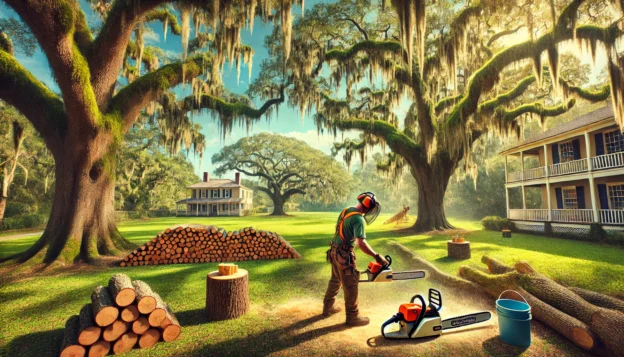
The southern United States is home to a wide variety of trees that thrive in the region’s warm climate and diverse soils. Trees like the majestic oaks, vibrant dogwoods, and fragrant magnolias add beauty and shade to any property. However, maintaining healthy trees in this area requires special attention due to challenges like high humidity, frequent storms, and pests. Here’s a comprehensive guide to help homeowners take care of their trees.
1. Understand Your Tree Species
Taking care of trees starts with knowing which types are in your yard. In the South, common trees include:
- Southern Live Oak: Known for its wide-reaching branches and toughness.
- Magnolia: Loved for its sweet-smelling flowers and shiny leaves.
- Dogwood: Famous for its beautiful spring blossoms.
- Pine Trees: Tall, evergreen trees often seen across the region.
Understanding the species of your trees lets you give them the proper care. Each type has different needs for watering, pruning, and protecting against pests.
2. Watering
Southern summers can be extremely hot, and proper watering is necessary to keep trees healthy.
- Newly Planted Trees: Water deeply once or twice weekly during the first year to encourage strong root growth.
- Established Trees: Provide water during dry periods, especially in sandy or fast-draining soils.
- Early Morning Watering: Water in the morning to limit evaporation and reduce the risk of fungal diseases in humid conditions.
- Methods: A soaker hose or drip irrigation system helps ensure water reaches deep into the root zone effectively.
3. Mulching
Mulching offers multiple benefits, including moisture retention, temperature regulation, and weed control. Spread a 2–4 inch layer of organic mulch, such as wood chips or pine straw, around the tree’s base. Avoid piling mulch against the trunk to prevent rot and discourage pests.
4. Pruning
Regular pruning keeps trees healthy and attractive. Best practices include:
- Remove dead, damaged, or diseased branches.
- Thin crowded areas to improve airflow and light penetration.
- Shape the tree to maintain its natural structure.
For species like oaks, pruning should be avoided during spring and summer to reduce the risk of oak wilt infection.
5. Pest and Disease Management
Southern trees often face issues with pests and diseases, including:
- Southern Pine Beetle: A serious threat to pine trees.
- Bagworms: Frequently found on cedars and junipers.
- Fungal Infections: Such as root rot or leaf spot.
Inspect trees regularly for signs like discolored leaves, bark damage, or wilting branches. Early detection is key. If problems arise, consult an arborist or apply appropriate treatments.
6. Storm Preparation
Severe storms, including hurricanes, can significantly damage trees in the South. Prepare in advance by:
- Pruning weak or overhanging branches.
- Removing dead or dying trees that may fall during storms.
- Anchoring young trees with stakes to improve stability.
After storms, assess trees for issues like broken limbs or uprooted roots and address them promptly to avoid further damage.
7. Fertilization
Many trees in southern soils require minimal additional fertilization due to nutrient availability. Trees showing signs of nutrient deficiency, such as yellowing leaves or stunted growth, may benefit from a slowrelease fertilizer applied in early spring. A soil test can help identify specific nutrient requirements.
8. Proper Planting Practices
When planting new trees, choose species that thrive in the southern climate and soil, such as Southern Live Oak or Bald Cypress. Planting during fall or winter helps reduce stress on young trees due to cooler temperatures. Leave adequate space for mature growth and to avoid resource competition.
9. Professional Help
While homeowners can handle regular maintenance, specific tasks are best left to professionals:
- Largescale pruning or removal.
- Addressing extensive storm damage.
- Treating severe pest or disease issues.
Certified arborists have the expertise and equipment to handle these challenges safely and effectively. For tree services in Sandy Springs, call Hank’s Tree Care.
Conclusion
Trees add shade, beauty, and environmental value to southern properties. Proper care through watering, mulching, pruning, and pest management keeps them healthy and thriving for years. Professional help is recommended for addressing complex issues, safeguarding your investment, and maintaining your property’s natural charm.